

Running a business in Singapore is no small feat. Between keeping customers happy, managing cash flow, and ensuring your team stays motivated, compliance with employment laws and record-keeping often ends up buried under the never-ending “to-do” list. Yet, the Ministry of Manpower (MOM) has clear requirements—every employer must keep detailed employee records, from working hours and overtime pay to leave entitlements and salary details.
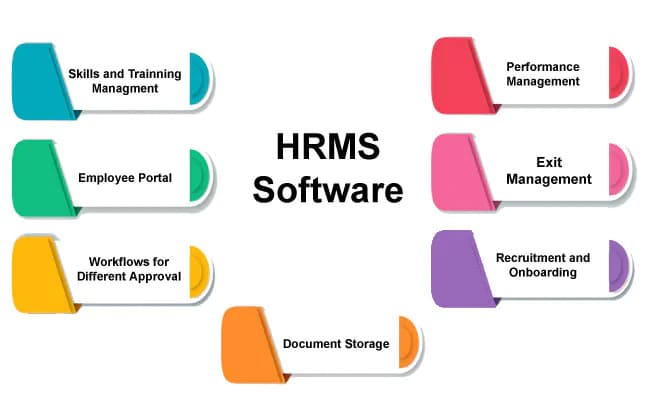
Here’s where a Human Resource Management System (HRMS) comes in. No longer just a fancy piece of HR tech for large corporations, HRMS platforms are becoming a lifeline for small and medium-sized enterprises (SMEs) across Singapore. They’re not just making HR easier—they’re making compliance far less stressful.
So, let’s break down how HRMS systems are reshaping the way businesses handle employee record compliance.
1. Goodbye Paperwork, Hello Automation
If you’re still relying on paper files or Excel sheets, you’ll know the headache of keeping them updated. Employees join, resign, change addresses, or update their banking details—and suddenly you’ve got multiple versions of the same file scattered across desktops or filing cabinets.
An HRMS takes all of this and centralises it. Updates happen in real time, and the system ensures the latest data is always available. Instead of chasing down HR assistants for the “latest version” of a file, you just log in and it’s there. Not only does this save time, but it also reduces the risk of missing critical compliance information, such as a record of annual leave taken or overtime hours logged.
2. Staying on Top of MOM Requirements
Singapore has very specific rules about what must be recorded and for how long. For example:
- Employee records must be kept for at least two years after an employee leaves.
- Employers must maintain detailed salary records, including itemised payslips.
- Working hours, rest days, and overtime pay need to be accurately tracked.
For a small business owner juggling multiple responsibilities, remembering every fine detail can be daunting. HRMS systems like Million are designed with compliance in mind. They come pre-configured to meet MOM requirements, automatically generate the correct payslips, and even issue reminders when certain deadlines or retention periods are approaching. In other words, the system does the remembering for you.
3. Accurate Time and Attendance Tracking
Manual attendance tracking is prone to error. Whether it’s a late entry on a timesheet, “buddy punching” (when one employee clocks in for another), or miscalculations in overtime, mistakes can easily pile up.
Modern HRMS systems often include biometric or app-based clock-ins. Employees use their fingerprint, a mobile app, or even facial recognition to mark attendance. This data flows directly into payroll calculations, ensuring salaries and overtime pay are accurate to the last minute. For SMEs, this isn’t just about convenience—it’s about protecting the business from disputes, audits, or penalties for non-compliance.
4. Transparent Employee Records
Transparency is a big part of compliance, especially in Singapore, where employment disputes can quickly escalate to formal complaints. With an HRMS, employees can access their payslips, leave balances, and attendance records through self-service portals.
This openness reduces misunderstandings (“I thought I had more leave left”) and builds trust. Employees don’t need to constantly chase HR for updates—they can see their own records in real time. From a compliance perspective, it also ensures there’s a clear audit trail that can be presented if ever questioned by MOM or in an employment dispute.
5. Secure Data Storage
Physical employee files can get lost, stolen, or damaged, and even spreadsheets saved on office computers are vulnerable. Singapore also has strict Personal Data Protection Act (PDPA) requirements, meaning employers need to take reasonable measures to protect employee information.
Most HRMS platforms offer secure, cloud-based storage with encryption, role-based access, and regular backups. This not only ensures compliance with PDPA but also reassures employees that their personal data is being handled responsibly.
6. Preparing for a Digital Future
Singapore is pushing hard towards digitalisation, with initiatives like Smart Nation and the push for SMEs to adopt tech-driven solutions. In the HR space, digital records aren’t just “nice to have”—they’re quickly becoming the expectation.
By adopting HRMS now, SMEs can future-proof themselves. When new regulations or digital reporting standards are introduced (and let’s face it, they will be), businesses that already have centralised, automated systems in place will adapt far more easily than those still flipping through paper files.
7. Freeing HR to Focus on People, Not Paper
At its core, HR should be about people—hiring the right talent, keeping employees engaged, and fostering a strong company culture. Yet too often, HR teams drown in admin, spending more time processing leave requests and chasing signatures than actually supporting employees.
By automating compliance-heavy tasks, HRMS gives HR professionals (or in many SMEs, the one unlucky staff member juggling HR with other duties) the freedom to focus on more meaningful work. That shift alone can transform how a business grows and retains talent.
8. Making Compliance Affordable for SMEs
Some SME owners hear “HRMS” and picture a big corporate system with a price tag to match. That used to be true, but not anymore. Today, there are scalable, subscription-based HRMS platforms tailored for smaller businesses in Singapore.
Instead of expensive upfront software licences, SMEs can pay a monthly fee based on the number of employees. That means you only pay for what you need, and the system grows with your business. Compliance becomes not just easier, but cost-effective too.
Final Thoughts
In Singapore’s highly regulated employment landscape, compliance isn’t optional—it’s the price of doing business. But it doesn’t have to be a burden. HRMS systems are giving SMEs a practical way to keep accurate employee records, stay in line with MOM requirements, and protect themselves from costly disputes or penalties.
More importantly, they’re helping businesses shift from reactive, paperwork-heavy HR to proactive, people-focused HR. In a market as competitive as Singapore, that could be the difference between simply surviving and truly thriving.
So, if compliance has been keeping you up at night, it might be time to let technology take the load. After all, why wrestle with spreadsheets when an HRMS can do the heavy lifting for you?

Comments are closed.