

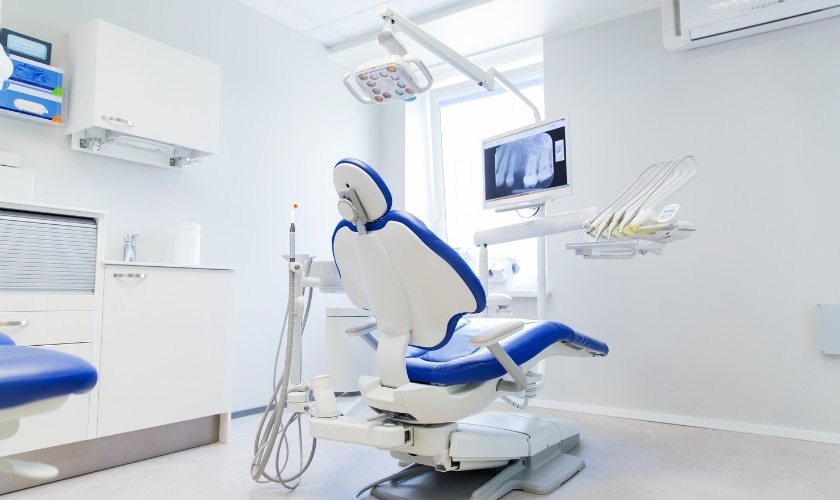
The atmosphere of a dental clinic plays a significant role in shaping the patient experience. For many people in Australia, a visit to the dentist can cause feelings of anxiety. A well-designed practice can help ease these fears, creating a calm and welcoming environment from the moment a patient walks through the door. This goes far beyond simple decoration; it involves a conscious approach to the entire layout and feel of the space.
Thoughtful design considers how patients move through and interact with the clinic. Elements like natural light, comfortable seating, and a soothing colour palette can transform a clinical space into a reassuring one. Successful dental fitouts focus on creating a positive sensory experience, which helps to build trust and reduce patient stress before they even sit in the dental chair. By prioritising patient comfort in the design phase, clinics can fundamentally change perceptions and improve satisfaction.
The goal is to create an environment that feels less like a medical facility and more like a calming retreat. This involves careful planning of everything from the reception area to the treatment rooms. Strategic design choices can make a substantial difference in how patients view their dental care provider and their overall treatment.
The Psychology of Colour and Light
Colour has a profound impact on human emotion. In a dental setting, steering clear of harsh, sterile whites in favour of softer, natural tones can make a big difference. Blues and greens are known for their calming properties and are excellent choices for waiting rooms and even treatment areas. These colours can help lower blood pressure and reduce feelings of tension.
Lighting is another powerful tool. Whenever possible, maximising natural light creates an open and airy feel, connecting the indoor space with the outside world. Where natural light is limited, warm, soft lighting is preferable to cold, fluorescent options. Dimmers allow for adjustable light levels, which can be tailored to create a relaxed mood in waiting areas and focused, clear light where it is needed for procedures.
Layout and Flow for Comfort
The layout of a dental clinic should be intuitive and easy for patients to follow. A clear path from the reception desk to the waiting area and then to the treatment rooms minimises confusion and adds to a sense of ease. Overcrowded waiting rooms with awkward seating arrangements can increase anxiety. Providing a variety of seating options, including private nooks for those who prefer them, shows consideration for individual patient needs.
Acoustics are also important. Sound-absorbing materials can be used in floors, ceilings, and walls to muffle the sounds of dental equipment, which are often a source of anxiety. Playing soft, calming music in the background can further help to mask clinical noises and create a more pleasant auditory environment. By carefully considering these design elements, a dental practice can become a space where patients feel comfortable and cared for.

Comments are closed.