
Why Singapore Employers Are Now Funding Reformer Pilates Memberships as a Workplace Benefit

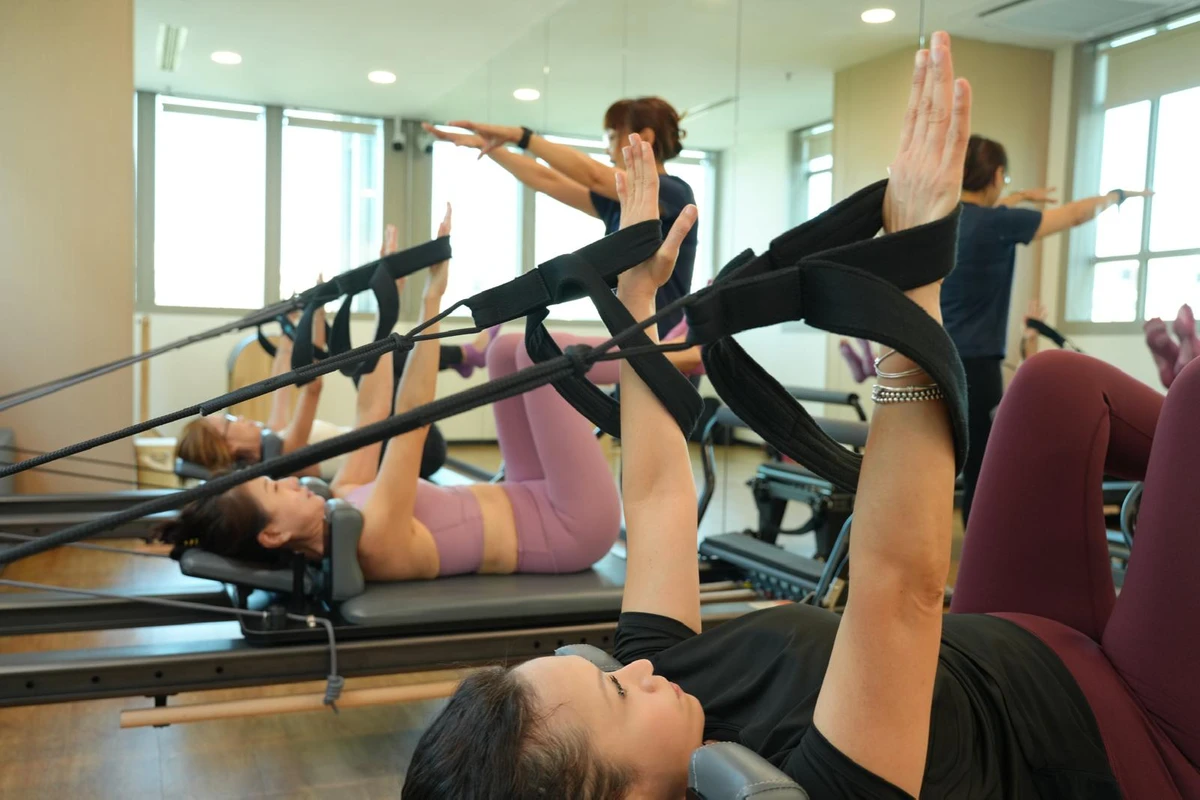
The conversation around employee benefits in Singapore has shifted dramatically over the past few years. Where once the benchmark for a competitive package was medical insurance, dental coverage, and annual leave entitlement, today’s talent market demands something more holistic. Employees, particularly those in the 25 to 45 age bracket that forms the core of Singapore’s professional workforce, are placing unprecedented weight on wellness benefits when evaluating employers. And within that wellness category, reformer pilates Singapore memberships are emerging as a genuinely differentiated offering that a growing number of forward-thinking companies are beginning to fund.
This is not a trend driven purely by goodwill. It is driven by business logic. The economics of employee wellness investment, when measured against the cost of absenteeism, presenteeism, and talent attrition, make a compelling case for targeted physical wellness funding, and reformer pilates sits in an unusually advantageous position within that case.
The Business Cost of Ignoring Employee Physical Wellness
Singapore’s Ministry of Manpower data consistently shows that musculoskeletal disorders, which include back pain, neck pain, and repetitive strain injuries, are among the leading causes of medical leave in the white-collar workforce. These conditions are almost entirely attributable to the physical demands of sedentary desk work, prolonged sitting, poor posture, and the absence of regular corrective movement in daily routines.
The cost to employers is not limited to direct medical claims. Consider the broader picture:
- An employee managing chronic back pain performs at reduced capacity even when physically present, a phenomenon known as presenteeism that research consistently shows is more costly than absenteeism
- Musculoskeletal conditions that develop gradually often require extended physiotherapy, specialist consultations, and sometimes surgical intervention, all of which fall within employer-funded health insurance
- Physical discomfort and pain are strongly correlated with reduced mental focus, lower job satisfaction, and higher turnover intention
When framed this way, funding a reformer pilates membership is not an employee perk. It is a pre-emptive investment in reducing a known and quantifiable cost.
Why Reformer Pilates Specifically Makes the Corporate Wellness Case
Not all fitness benefits produce equal outcomes in the context of desk-worker health. A gym membership that goes unused provides no return on investment. A running subsidy is irrelevant to employees with joint problems or low baseline fitness. Corporate yoga classes conducted in meeting rooms with inadequate space deliver limited physiological benefit.
Reformer pilates occupies a different position in the corporate wellness landscape for several specific reasons.
It directly addresses the postural consequences of desk work. The reformer specifically targets the muscle imbalances created by prolonged sitting, including anterior pelvic tilt, rounded shoulders, forward head posture, and inhibited glutes. These are the exact conditions that generate the musculoskeletal complaints most common in office workers.
It is accessible to a wide range of fitness levels and physical conditions. Unlike high-intensity fitness formats, reformer pilates does not require employees to have a pre-existing fitness base. It is appropriate for someone returning from injury, managing a chronic condition, or simply starting from a low activity baseline. This broad accessibility makes it a benefit that can realistically serve a diverse workforce.
It produces mental wellness benefits alongside physical ones. The mindful movement and breath integration central to reformer pilates practice have documented effects on stress reduction and mental clarity. For employees in high-pressure roles, the dual physical and mental benefit makes it more valuable than a fitness benefit that addresses only one dimension of wellness.
Attendance tends to be consistent. Unlike gym memberships, which famously suffer from high initial enthusiasm and rapid dropout, boutique reformer studios typically see stronger attendance consistency due to the class-based structure, instructor relationships, and community environment. Employer-funded memberships that employees actually use represent a far better return on investment than those that sit unused.
How Singapore Companies Are Structuring Reformer Pilates as a Benefit
The mechanics of implementing reformer pilates as a workplace benefit vary depending on the company’s size, budget, and wellness programme structure. The most common models being adopted by Singapore employers in 2025 include:
Direct corporate membership arrangements Companies negotiate directly with a reformer studio for a block of memberships or class credits at a preferred rate. Employees access the benefit through the studio’s booking system, and the company is invoiced monthly for actual usage. This model works well for companies with a concentration of employees near a studio’s locations.
Flexible wellness allowance inclusion Many Singapore companies have moved toward flexible benefit structures where employees receive an annual wellness allowance to spend across a pre-approved list of providers. Including boutique reformer studios on this approved list allows employees to self-select based on their individual wellness needs and preferences. This model distributes the administrative burden and appeals to employees who value autonomy in their benefit choices.
Group class subsidies Some companies arrange for discounted class packages at studios near their offices, making the benefit financially accessible without requiring a full membership commitment. This lower-commitment entry point can be particularly effective for introducing reformer pilates to employees who are unfamiliar with it.
Wellness day activities HR teams increasingly use reformer pilates sessions as the activity component of wellness days, half-day retreats, and team bonding events. This serves as both an introduction to the practice and a team experience that builds social connection alongside physical benefit.
The Talent Attraction Dimension
Singapore’s labour market for skilled professionals remains competitive. In sectors such as financial services, technology, and professional services, differentiated benefits packages are a meaningful factor in both attracting and retaining talent. Reformer pilates as a funded benefit speaks specifically to the demographic that these sectors most compete for: educated, health-conscious professionals in their late 20s through 40s who prioritise wellbeing and are willing to change employers for better quality of life provisions.
The positioning of a reformer pilates membership as a benefit also communicates something about organisational culture. It signals that the company takes physical and mental wellness seriously, invests meaningfully in employee quality of life beyond contractual obligations, and understands the specific health challenges that professional desk work creates. In a talent environment where company culture is increasingly evaluated before job offers are accepted, these signals carry genuine weight.
What HR Managers Should Evaluate When Choosing a Studio Partner
For HR professionals tasked with selecting a reformer pilates studio for a corporate wellness arrangement, the evaluation criteria extend well beyond class quality. The operational and logistical dimensions of the partnership matter just as much.
Key evaluation criteria include:
Location accessibility: Studios positioned near major employment hubs or public transport nodes maximise the likelihood that employees will actually use the benefit. Multiple studio locations within a network allow employees at different offices to access the same membership.
Scheduling flexibility: Corporate employees need early morning, lunchtime, and after-work class availability. Studios with compressed or limited scheduling windows reduce the practical accessibility of the benefit for employees with tight work schedules.
Class variety: A range of formats, including intensity levels and durations, ensures the benefit is accessible to employees with different fitness levels, physical conditions, and available time.
Onboarding support: Studios that offer introductory sessions, movement assessments, or instructor consultations for new corporate members make it easier for employees who are new to reformer pilates to feel confident and continue attending.
Reporting and usage data: Corporate accounts that provide HR teams with anonymised attendance and usage data allow wellness programme effectiveness to be measured against investment.
Billing and administrative simplicity: The easier the billing and administration, the less friction the HR team faces in maintaining the benefit over time.
Yoga Edition serves Singapore’s corporate wellness market from its Millenia Walk, Novena, and CIMB Plaza at Raffles Place studios, offering CBD and city-fringe accessibility that suits the geography of Singapore’s major employment districts. Its class variety, flexible scheduling, and mobile app-based booking infrastructure make it a practical partner for companies looking to implement reformer pilates as a meaningful and consistently used workforce benefit.
Measuring Return on Investment for Corporate Wellness Programmes
HR leaders face ongoing pressure to justify wellness programme spending to finance teams. For reformer pilates specifically, the return on investment case can be built across several measurable dimensions.
Reduction in musculoskeletal-related medical leave: Tracking the frequency and duration of medical leave linked to back, neck, and joint complaints before and after implementing a reformer benefit provides a direct financial comparison against programme cost.
Employee satisfaction scores: Inclusion of wellness benefit satisfaction questions in regular employee surveys captures the talent retention value of the benefit, which can be modelled against the cost of turnover for key roles.
Health insurance claims trends: Companies with self-insured health schemes or detailed insurer reporting can track whether musculoskeletal and stress-related claims decrease over time among employees who actively use the reformer benefit.
Productivity and engagement metrics: While harder to attribute directly, organisations that have implemented comprehensive wellness programmes consistently report improvements in team engagement scores and manager-rated productivity that, when quantified against salary costs, significantly exceed the cost of the wellness investment.
FAQ
Q. What is a reasonable budget for a company to allocate per employee for a reformer pilates benefit in Singapore? A. This depends on the frequency of use intended. A monthly class credit allocation equivalent to two to four sessions per month per participating employee is a common starting point. Corporate rates negotiated directly with studios typically offer meaningful discounts over retail pricing, improving the cost-to-benefit ratio.
Q. Can a company offer reformer pilates as a benefit only to certain employee groups, or must it be offered universally? A. Companies can structure wellness benefits selectively, though HR advisors generally recommend ensuring equitable access across job grades where possible to avoid perceptions of favouritism. A practical approach is to include reformer pilates within a broader flexible wellness allowance that all employees access equally but spend according to individual preference.
Q. How do we handle employees who live far from studio locations? A. This is a genuine logistical consideration. Studios with multiple locations across Singapore reduce this friction. Alternatively, including the reformer pilates benefit as one option within a broader wellness allowance that accommodates providers near different residential areas ensures no employee segment is excluded.
Q. Are there tax implications for employees receiving reformer pilates memberships as a workplace benefit in Singapore? A. Under IRAS guidelines, employer-provided recreational and fitness benefits may be taxable as employment income depending on how they are structured. HR teams should consult their tax advisors on the most efficient structuring approach, as group recreational facilities may attract different treatment from individual membership reimbursements.
Q. How long does it typically take before the health benefits of reformer pilates become apparent enough to affect absenteeism data? A. For musculoskeletal conditions specifically, meaningful improvement in symptoms typically becomes apparent within eight to twelve weeks of consistent attendance. From an absenteeism data perspective, a twelve to eighteen month programme window is generally required to detect statistically meaningful trends in medical leave frequency.

Comments are closed.