

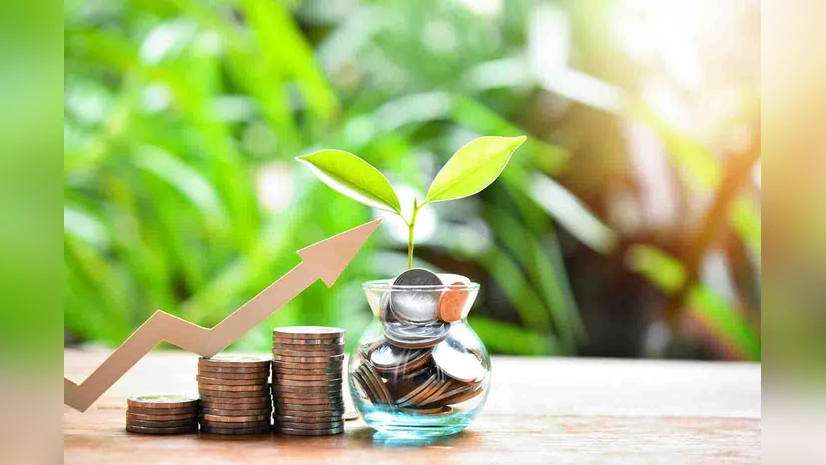
Compound interest is often called the eighth wonder of the world, and for good reason. It has the unique ability to transform modest, consistent savings into substantial long-term wealth. Whether you’re a beginner or an experienced investor, understanding how compounding works—and how to use it effectively—can significantly enhance your financial future.
What Is Compound Interest?
Compound interest occurs when your earnings begin generating additional earnings. Unlike simple interest, which only grows on the original amount, compound interest expands your balance by reinvesting all prior gains.
How It Works
- Your principal earns interest
- That interest gets added to the principal
- The new, larger balance earns even more interest
- Over time, this cycle accelerates your growth
The longer your money stays invested, the more powerful compounding becomes.
Why Time Is the Most Important Factor
Compounding favors those who start early. Even small contributions can grow dramatically when given enough time.
Why Starting Early Matters
- More years for growth to multiply
- Less pressure to save large amounts
- Greater ability to weather market fluctuations
- Compounding accelerates sharply in later years
Time turns steady saving into exponential growth.
Small Deposits Can Create Big Results
You don’t need thousands of dollars to benefit from compound interest. Even small, regular contributions build momentum.
Examples of Small Savings Growing Over Time
- $50 invested monthly can grow into tens of thousands over decades
- Increasing contributions gradually speeds up compounding
- Automating deposits ensures consistency
Regularity is often more important than the initial amount.
The Role of Interest Rates in Compounding
A higher interest or return rate accelerates the compounding effect.
Key Factors That Influence Growth
- Interest rate / investment return
- Frequency of compounding (daily, monthly, annually)
- Length of time invested
- Amount and consistency of contributions
Even small increases in return rates can dramatically boost long-term totals.
Investing vs. Saving: Where Compounding Works Best
While savings accounts offer compounding, investment accounts typically provide significantly higher returns. This gives compounding more room to grow.
Why Investments Compound Faster
- Stock and index funds historically outperform inflation
- Reinvested dividends amplify growth
- Tax-advantaged accounts increase long-term efficiency
To maximize compounding, pairing consistency with smart investing is key.
Avoiding the Biggest Compounding Killer: Waiting
Procrastination is one of the most costly financial mistakes. Delaying even a few years can dramatically reduce your final wealth.
Why Waiting Hurts
- Lost years mean lost exponential growth
- You must save more later to reach the same goal
- Markets reward time—not timing
The best time to start is today, even with a small amount.
How to Maximize the Power of Compound Interest
Practical Strategies
- Start early, even with small contributions
- Automate monthly investing
- Reinvest all gains (dividends, interest, profits)
- Choose investments with strong long-term performance
- Avoid unnecessary withdrawals
- Increase your contributions yearly
These habits turn compounding into a lifelong wealth-building engine.
Seeing Compounding in Action
Compound interest often looks slow in the beginning, then suddenly explosive in later years. This “hockey-stick effect” is what makes it so powerful.
What to Expect Over Time
- Early years: gradual growth
- Middle years: momentum builds
- Later years: rapid acceleration
Consistency + time = exponential growth.
FAQ
1. How often should I invest to benefit from compound interest?
Monthly contributions work best, but any consistent schedule allows compounding to build momentum.
2. Can compound interest work with small amounts?
Absolutely. Even $20–$50 per month can grow into a meaningful amount over decades.
3. Is compound interest more effective in savings accounts or investments?
It works in both, but investments—especially diversified stock portfolios—tend to produce higher long-term compounding.
4. What happens if I withdraw money early?
Withdrawals reduce your principal and slow compounding. Keeping money invested maximizes growth.
5. How long does it take to see significant results?
Compounding is subtle at first but becomes more powerful after several years of consistent investing.
6. Should I reinvest dividends?
Yes. Reinvesting dividends accelerates compounding by adding more shares, which generate more future gains.
7. What’s the biggest mistake people make with compound interest?
Starting too late or stopping contributions during early growth years—when time is your strongest asset.

Comments are closed.